Moorabool locals are being encouraged to pick up the spade and dig deep, turning their backyards, balconies and even courtyards into safe havens for native wildlife through the free Moorabool Gardens for Wildlife program.
The program sprouted and grew through the dedication of volunteers, and works to support gardeners, schools and community groups to create wildlife-friendly spaces catered to protect native plants and animals while educating the community on how to best maintain garden-care.
The voluntary program is open to anyone interested in creating habitat, whether in a small urban garden, a courtyard or a larger shared space.
Volunteer Natasha Evans said gardens play a critical role in biodiversity, particularly during extreme weather.
“I am passionate about maintaining biodiversity, wildlife corridors, conservation and preservation of our indigenous plants and wildlife,” Ms Evans said.
“Garden and wildlife care is a part of what makes me whole, physically and mentally. Humans are a part of nature, and by extending our care and interactions with nature, we are also nurturing ourselves.”
Ms Evans said heatwaves pose major challenges for wildlife in urban areas, where shade and water can be scarce.
“In heat waves we like to be in the shade and drink cool water – well, guess what? So does the wildlife in your garden,” she said.
“It’s important to provide areas in your garden that can help wildlife survive these extreme temperatures.”
She said small, low-cost changes could make a big difference.
“Providing water in shaded areas, planting native species that flower and fruit across seasons, and creating layers of habitat can help wildlife flourish year-round,” she said.
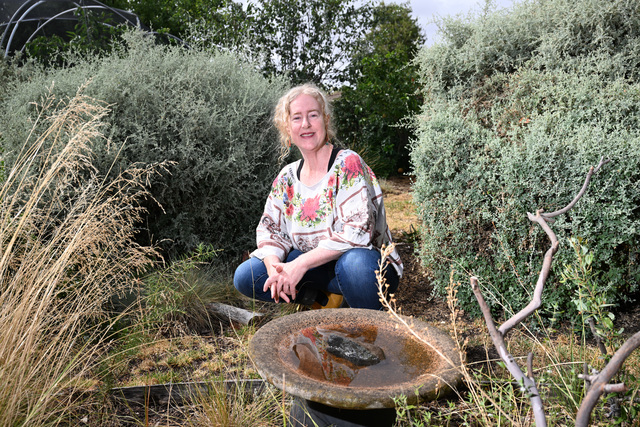
Different species have different needs, Ms Evans explained. Insects rely on grasses, sedges and flowers for nectar and life cycles, while Moorabool’s small birds need thick shrubs for shelter from predators. Lizards benefit from woody litter and ground-level water, while mammals like possums rely on the native vegetation for food and nesting.
Simple measures such as mulching garden beds, using drip irrigation, adding woody debris, and installing bird and insect-friendly water bowls can all improve garden resilience during hot weather.
Ms Evans said wildlife-friendly gardens also benefit people, fostering curiosity and wellbeing.
“When you go into your garden each day there is always something different to notice,” she said.
“It teaches you about the relationships between soil, insects, plants and animals, and why biodiversity matters.”
Beyond the environmental benefits, Ms Evans said wildlife-friendly gardening also supported mental and physical health.
“When you build a relationship with your garden, it fosters curiosity, wonder and awe,” she said.
“It helps you understand why biodiversity is so important.”
She said individual gardens could also work together to form wildlife corridors, allowing animals to move safely through urban areas.
The Gardens for Wildlife program is voluntary and open to anyone interested in creating habitat, from small urban gardens to schools and workplaces.
Details: www.mooraboolgardensforwildlife.org.au or Moorabool.gardensforwildlife@gmail.com.