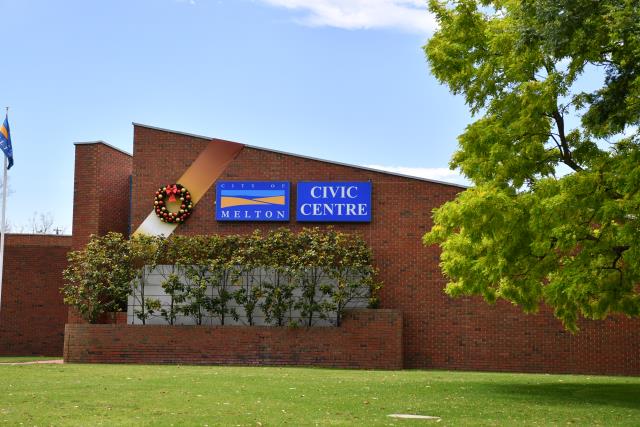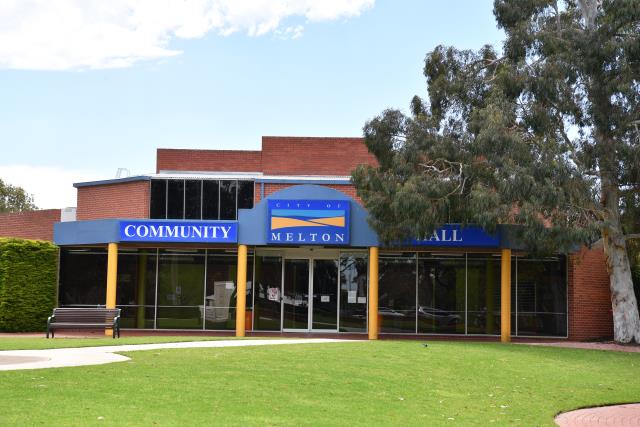
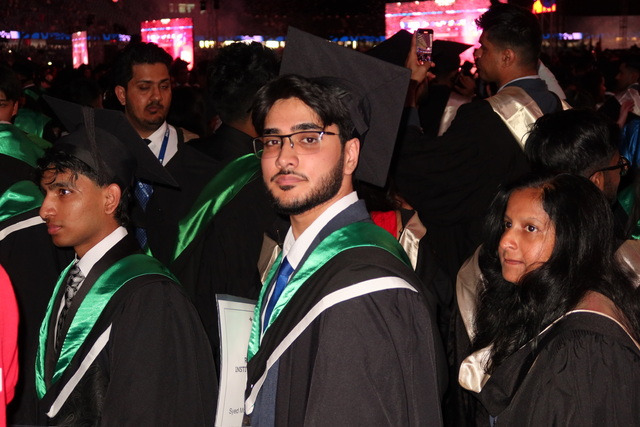
Wasi Abidi grew up in Melton before moving to St Albans. Benefitting from a western scholarships program through Western Chances, Mr Abidi told Jack O’Shea-Ayres about home life, education and learning.
What’s your connection to the Melton and St Albans areas?
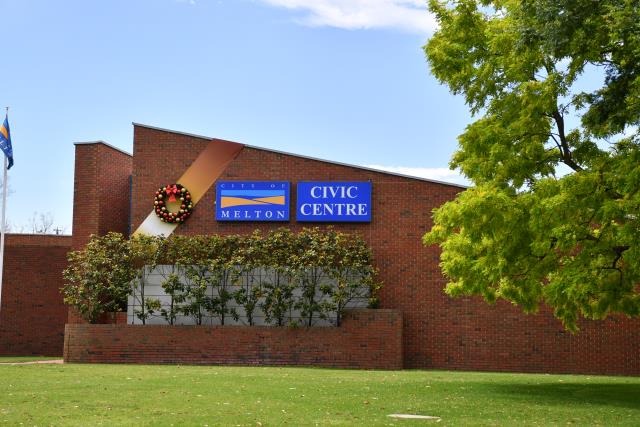
I moved to Melton when I was four years old, so a huge part of my childhood is tied to that area. I went to primary school there and stayed until the end of year 8 before we moved closer to St Albans, and I finished up my schooling in Caroline Springs. Looking back, I have a lot of fondness for Melton – it’s where my journey started.
What do you like about Melton, and where you live now?
There is a distinct character to Melton that you only really understand when you grow up there. I remember looking around at my friends and just feeling this energy – everyone had this desire to be someone and to do something great. My teachers really nurtured that; instilling this almost delusional confidence in myself, telling me that I could achieve anything. Some of my strongest memories are the simple ones. Stopping by Freddy’s Fruit and Veg after school to grab groceries, chatting with the staff about their day, it’s small moments like those that form a community. I now live in St Albans and work in the city in the tech industry. What I bring with me into every room is the same self-belief I learned early-on in Melton.
What, if anything, would you change about where you live?
If I were to change anything, it would be around access and exposure. Growing up, there was no shortage of drive or talent around me, but the pathways to turn that ambition into something tangible came later than it could have. As you get older, you start to see how much timing matters. A conversation or a mentor at the right moment can reshape how someone sees their future. I think communities like Melton and St Albans benefit most when those moments arrive earlier, before self-doubt or limitation has time to take root. What I wouldn’t want to change is the sense of belonging. The closeness, the familiarity, the way people support each other, that’s the foundation everything else is built on. The ideal future is one where opportunity grows alongside that foundation, not in place of it.
Where is your favourite local place to spend time?
My favourite local way to spend time is playing tennis with friends, it’s the one thing I protect in the week no matter how busy things get. We usually set it up late afternoon, after we come home from work, and there’s a quiet seriousness to it that I love. Between sets we’ll talk about what we’ve been up to and what we’re aiming at next. Then you step back onto the court and earn the next point.
Tell us about your experience with Western Chances?
Western Chances has meant a lot to me, because it showed up at a time when I had the drive, but I did not yet have the same access or certainty that others seem to grow up with. It’s an organisation that supports young people in Melbourne’s West through scholarships, mentoring and professional opportunities. What stayed with me most was how strongly they believed in my potential, so strongly that success started to feel inevitable. I still remember getting my first ever textbook through Western Chances. I opened it and just sat there for a second, thinking, “wow, this is really mine”. It sounds simple, but it was the moment I stepped into a future that previously felt just out of reach. That is why I give back now, including volunteering back with Western Chances, as part of the subcommittee of the board. I know what support can do to someone’s life when it arrives early and with real belief behind it.