A once-concrete channel in Melton’s West is showing new signs of life, with local birdwatchers recording a growing diversity of species as the Re-imagining Arnolds Creek Project continues to restore the waterway to a natural state.
On Friday 14 November, members of the Melton Bird Walk Group, part of the Eynesbury Environment Group, joined Melbourne Water ecologist Richard Akers for a bird survey along the section of Arnolds Creek between Westlake Reserve on Bulmans Road and High Street.
The group has been monitoring the site since 2021, following major revegetation works which began in 2019.
Once a concrete drain, the creek has been reshaped, replanted and revitalised through Melbourne Waters’ Reimagining Your Creek program, which aims at redesigning heavily modified waterways in consultation with local communities.
A 1.4 kilometre stretch of Arnolds Creek is currently undergoing transformation, with the project expected to boost biodiversity and create a more inviting public open space.
Local birds have reportedly indicated the ecological recovery of the area, with early signs proving promising.
“Birds are slowly returning to the Re-imagining Arnolds Creek project area,” Daryl Akers from Eynesbury Environment Group said.
“Arnolds Creek provides a corridor for wildlife through the rapidly growing town of Melton, linking the Great Dividing Range (via the Pyrite Range between Melton and Gisborne) with Werribee River to the south of Melton, at Exford. A small stretch of a small creek but a link in a major bird migration corridor stretching along the entire east coast of Australia.”
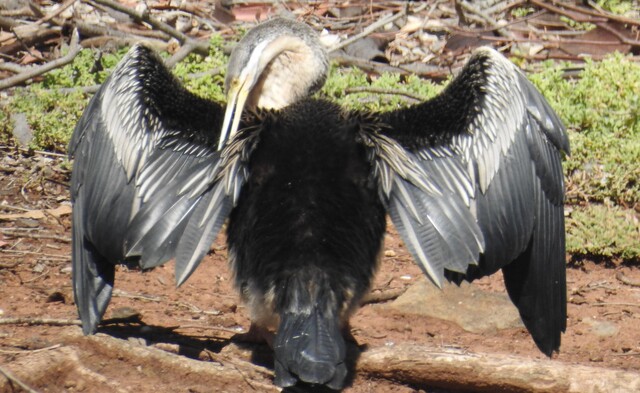
Species observed during the latest survey included White-faced Heron, Little Pied Cormorant, Black Duck, among many others.
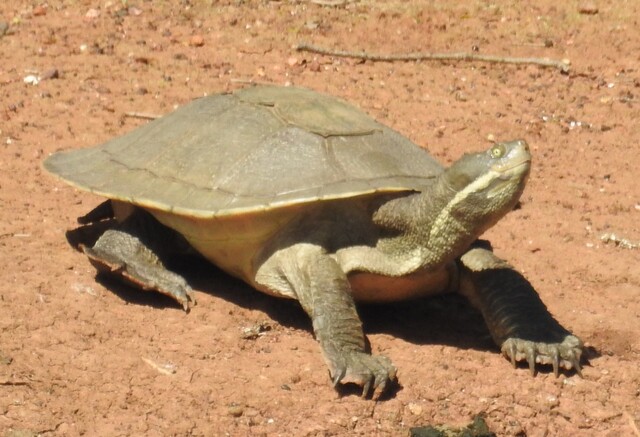
Surveyors were also surprised to find at least four Murray Turtles basking on the same island.
“We observed at least four turtles in the lake, sunning themselves on the small island in the lake.
But curiously, these were all Murray Turtles, rather than the locally native Eastern Snake-necked Turtle more usually found in Melton Botanic Garden, Toolern Creek and Eynesbury Lake,” Mr Akers said.
Melbourne Water and local volunteers say ongoing monitoring is vital to track ecological changes and encourage community involvement as the creek continues its steady return to life.