
Melton may soon be home to a new place of assembly and worship, following a highly contested planning application which attracted more than 1100 public submissions.
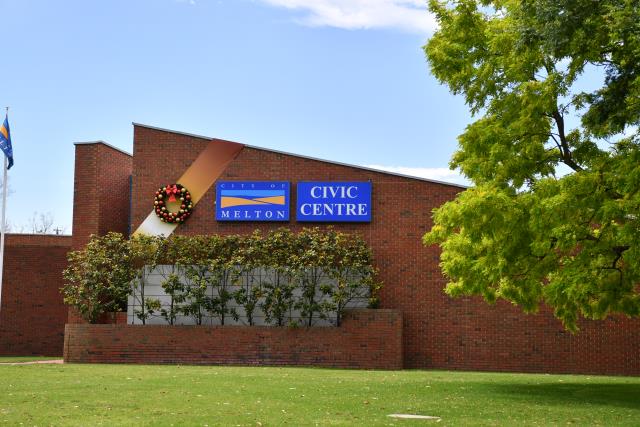
Melton council unanimously backed the planning application for the proposed place of assembly and worship at 342 Coburns Road in Kurunjang at its 15 December meeting, subject to a range of conditions aimed at managing the site’s amenity impacts.
The proposal seeks to repurpose an existing single-storey dwelling on the 7097 square metre site into a place of assembly, including a place of worship, with included car parking.
The site sits within the neighbourhood residential zone and is surrounded by low-density housing, with a child care centre located directly opposite.
Council received 811 objections to the application, which largely centred on concerns surrounding traffic, noise, hours of operation, and the suitability of the use in a residential area.
Councillor Sophie Ramsey pointed towards the use of indoor speakers in mitigating noise impacts.
“There are no speakers on the outside of the building. All the noise should be able to be contained within the building,” she said.
A council report also included noise and traffic mitigation measures in response to objections surrounding the operation of the proposed venue.
A further 374 submissions were received in support of the site, citing the need for more local community, educational, and cultural facilities in Kurunjang.
Proposed activities at the site include education classes and youth programs, as well as community events and daily religious sessions in a bid to reflect community benefit.
Under the approved plans, the existing dwelling will be retained and refurbished internally, with minor extensions added for the purpose of amenities.
As part of the decision, councillors amended operating hours for religious activities to 6am-9pm on weekdays and 7am-9pm on weekends.
Council officers noted the early morning use was comparable to the nearby child care centre and unlikely to cause unreasonable impacts, given the small number of attendees.
Despite strong objection, a detailed planning assessment found the proposal was consistent with state and local planning policies, which allow community and religious uses in residential zones where they serve the needs of locals.