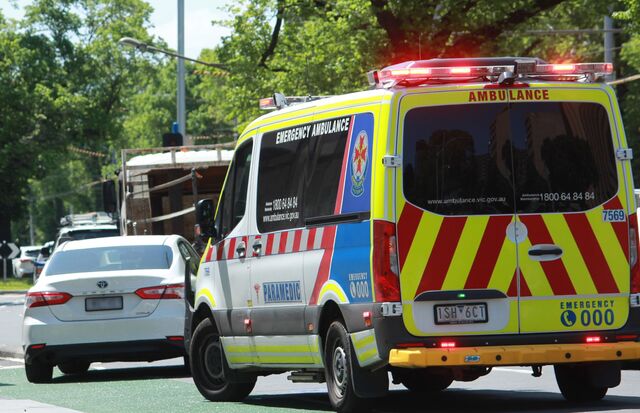
Ambulance response times across both Melton and Moorabool have improved slightly over the last quarter, according to the latest data released by Ambulance Victoria (AV).
Paramedics in Melton responded to a total of 4593 calls during the October to December period, down from 4705 in the previous quarter, while Moorabool’s ambos responded to 850 calls, down from 924.
In the October to December period, Moorabool recorded the most significant improvement in both code one and code two performance out of the two municipalities.
More than 53 per cent of Moorabool’s code one, or most life-threatening cases, were reached within a 15-minute period over the October to December period, increasing from 46.6 per cent in the previous quarter, while the average response time improved by one minute and 27 seconds to 17 minutes and 24 seconds.
Code two response times in Moorabool also fell by 2 minutes and 26 seconds.
In Melton, improvements were more modest. Code one response times improved by 11 seconds to an average of 17 minutes and 14 seconds, and the proportion of code one patients reached within 15 minutes rose by .8 per cent, while code two responses improved by one minute and 56 seconds.
Overall, the two municipalities experienced faster ambulance response times over quarter two compared to quarter one, yet both fell behind the statewide average of 15 minutes and 40 seconds for code one response times, which improved by six seconds compared to the last quarter.
AV acting executive director regional operations Michael Georgiou said the improvement was achieved despite ongoing high demand for the most critical ‘lights and sirens’ emergency cases, even when they are reportedly not needed.
“AV paramedics and first responders are focused on reaching the sickest patients first,” Mr Georgiou said.
“But every day, about one in five calls to Triple Zero (000) do not need an emergency ambulance response.”
Mr Georgiou said AV is working closely with hospitals, emergency services and government partners to keep patients moving through the system as quickly as possible and get ambulances back on the road sooner.