Prosecutors have conceded shortcomings in their murder case against an ex-pilot, after being accused of running an unfair trial where they “chickened out” of properly challenging the killer.
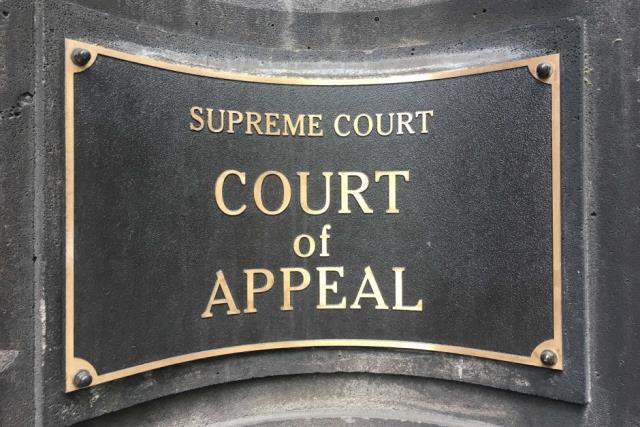
Greg Lynn, 59, sat inside a packed Court of Appeal in Melbourne for the first day of his challenge against conviction and sentence, after he was found guilty of one murder and acquitted of another.
Seated behind him were family members of the woman he has been convicted of murdering, Carol Clay, 73, and the man whose murder he was acquitted of, Russell Hill, 74.
The pair had been camping at the same remote site as Lynn, Buck’s Camp in the Wonnangatta Valley in Victoria’s high country, when they both went missing in March 2020.
Lynn was charged with two murders and took the case to trial, admitting he burned their bodies but maintaining the deaths were accidental.
He told the Supreme Court jury he struggled over his shotgun with Mr Hill when it accidentally discharged, and shot Ms Clay in the head, and that Mr Hill died after a struggle with Lynn over a knife.
Lynn said he was trying to defend himself from Mr Hill when the knife went into his chest, and the jury was not shown any evidence about how Mr Hill died.
The jury returned its split verdict in June 2024 and Lynn, formerly of Caroline Springs, was sentenced in October 2024 to 32 years’ imprisonment with a minimum of 24.
His legal team claimed the verdict was “unsafe” and made on “unsatisfactory grounds” after they argued the prosecution put forward an unfair case and failed to properly cross-examine Lynn.
Lynn’s barrister Dermott Dann KC accused trial prosecutor Daniel Porceddu of having “played outside the rules”, and said he had “chickened out” while questioning Lynn as he stood in the witness box.
Appeal judge Phillip Priest said the trial judge, Michael Croucher, found Mr Porceddu broke the rules on “at least 17 occasions” leading to a direction to the jury about the cross-examination.
Victoria’s Director of Public Prosecutions Brendan Kissane KC said the judge’s direction was “favourable to the accused in the extreme” and Mr Porceddu’s breaches had been put “too highly”.
Although he conceded some “shortcomings” and that some cross-examination could have been “done better”, he rejected all claims that the trial was unfair.
The hearing will continue on Thursday.