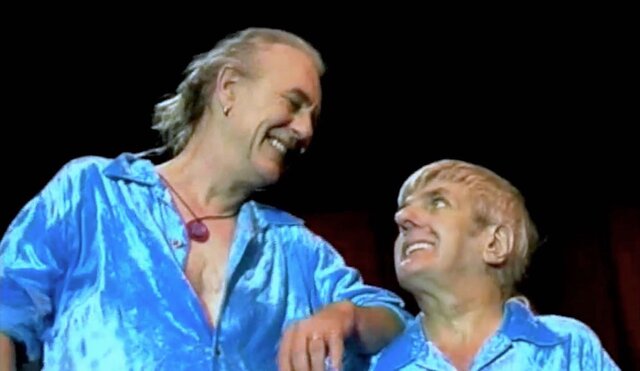
The late Bob Bright was a pioneer of Australian pop music, a 60’s teen idol turned TV star, radio DJ and voice-over artist. He was also a much loved mentor to young musicians and a proud adopted son of Melbourne’s west. Cade Lucas spoke to those who knew Bobby best.
It makes sense in hindsight, but at the time Susie Gamble was taken aback at how emotional her friend Bob Bright was.
The pair were at the June memorial service for 60’s Australian pop-star Marcie Jones who’d died earlier that month aged 79.
When another pop-star of that era, Normie Rowe got up to deliver the eulogy, Gamble saw a side of her friend she never knew existed.
“Bob just put his head in his hands and he sobbed.
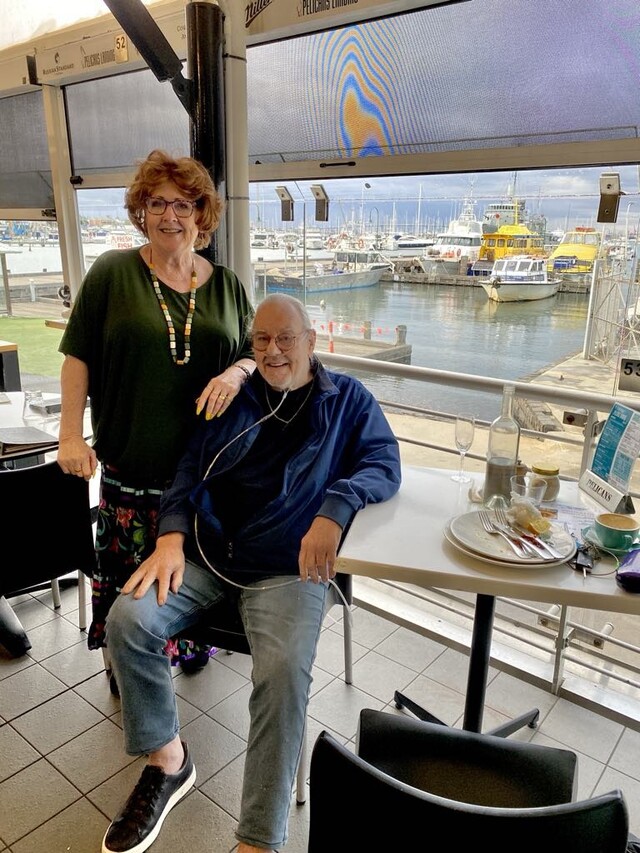
“I had never in my life seen Bob cry before,” said Gamble who’d seen more of him than anyone else.
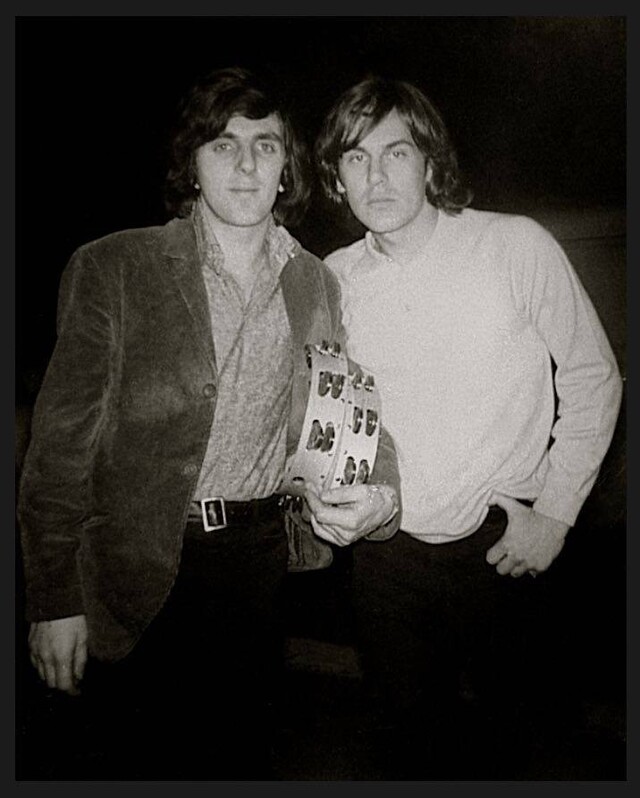
The pair first met in the early 1960’s when Bob was Bobby Bright, a pop star himself and one half of the duo Bobby and Laurie alongside Laurie Allen.
With hits like I Belong with You and Hitch Hiker’, the pair joined the likes of Rowe, Jones and numerous others at the forefront of Australia’s burgeoning music scene.
“He was on a radio program called Dick Cranbourne’s Country Music Jamboree,” said Gamble of the first time they met.
“My mum and I went along to the recording of the shows quite often, and I knew Laurie and he introduced Bob.”
Like many other schoolgirls at the time, she was impressed.
“He had a fabulous voice, and he was just uber handsome, all the girls loved him.”
Gamble soon became a friend, a fan and confidant to Bright as he and Allen hit the big time and then after they spilt, he embarked on a five-decade career in showbiz doing everything from music, to radio, to acting to voice overs for television commercials.
He did this mostly while based in his beloved western suburbs, living in Williamstown and then latterly in Altona.
But it all started when he moved to Melbourne from Adelaide in the early 60’s having emigrated with his mother from the UK a few years before that.
Once in Melbourne he met Jones, then the lead singer of girl group Marcie and Cookies. It was Jones who introduced him to Allen, who then introduced him to Gamble, who six decades later he sat beside sobbing at Jones’ memorial service.
“He didn’t even cry when Laurie died [in 2002], he kept it all in, he was very stoic,” said Gamble of why she found Bob’s reaction so out of character.
“But Marcie’s passing, because of their connection way back, Bob just lost it and literally all I could do was rub his back and tell him it was all right,” said Gamble, who never saw Bob again.
“Little did I know when I left him that afternoon that I would speak to him [on the phone] one more time.”
A month later on July 22, Bright died aged 80, following years of ill-health, including cancer and a more recently, emphysema.
“I’ll say this, he was ready to go,” said Gamble who now sees the connection between his reaction at the memorial service and his own failing health and sense of mortality, something she said was also evident in their last conversations.
“All he kept saying was, Susie, I’m tired.
“His illness and all the problems he had with his health had literally derived him of his once very vibrant life.”
It was a vibrant life that illuminated plenty of others too, as evidenced by the tributes that flowed in after news of his death broke.
Bright’s days as an actor on TV shows like Homicide, The Sullivans and Blue Heelers were remembered as were his roles in the mini-series Power Without Glory and as ‘The Doctor’ in the 1973 production of The Who’s rock opera Tommy.
Former colleagues on Melbourne radio recalled his stints as a DJ at stations such as 3XY and Nu Country.
However, it was his fellow musicians who spoke most glowingly of Bright and his legacy as a pioneer of Australian pop.
“The amazing, talented Mr Bobby Bright,” began fellow singer-songwriter Mike Brady in a tribute video posted on social media.
“I started playing with Bobby in a band called The Hearsemen when I was 14. We had a coffin onstage,” laughed Brady, who before he became synonymous with singing Up There Cazaly” before the Grand Final, was a contemporary of Bobby and Laurie.
“I was jealous of them, I can admit that now I’m an old man,” he said before recalling the time he heard their biggest hit, Hitch Hiker’.
“I heard this song when I was at home at my mum and dad’s place and it made me cry. Cry with joy.”
Bright was also much admired by younger musicians, particularly those in Melbourne’s inner- west, who recently celebrated his life with a memorial gig at the Newport Bowls Club.
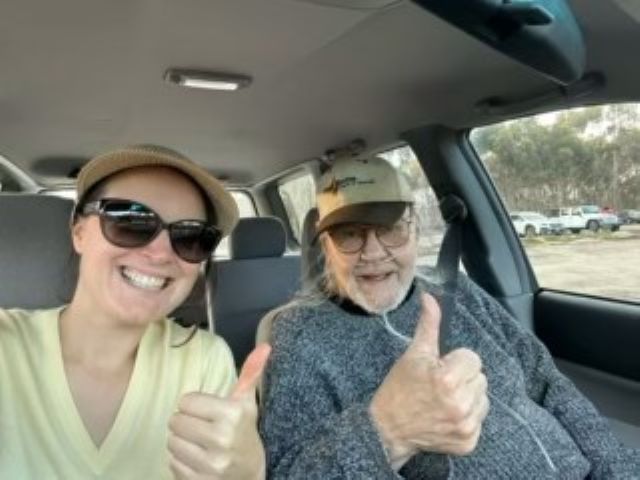
Among the performers was Jessica Paige, a singer-songwriter from Werribee who became friends with Bright after a chance meeting at a Williamstown wine bar seven years ago.
“The guy that owned the place said “that’s Bobby Bright,” recalled Paige, who had no idea who he was.
“He was kinda famous,” added the owner before Paige went over and introduced herself.
“He was kinda shy because he’d been quite well known and for Bob making new friends could be quite intimidating but after meeting a few times he kinda warmed up.”
Paige soon joined other local musicians at Birght’s place for regular ‘soirees’ where they’d jam and write together.
Before long, Bright was joining Paige on stage at some of her gigs.
“We’d pick him up and take him because he was getting older and needed extra support,” said Paige, adding that Bright returned the favour by teaching her how to drive a manual.
Despite being long retired, in poor health and decades past his heyday, Bright continued to make music until shortly before his death, including recording a track with Paige that she plans to finish and release.
“It’s called Santa’s Got a Gun, it’s a reggae song,” she laughed at the song’s irreverent title and unlikely genre for a retired pop-star.
For Paige, it sums up what made Bright so endearing.
“He was just so intelligent and would put me onto so much great music. He had such broad taste,” she said before adding, “as a great a musician and artist as he was, he was an even better person.”
Bright is survived by his daughter Lauren Bright and grandson Grier Peters-Bright who scattered his grandfather’s ashes into Hobsons Bay on September 1.